Indore travel guide
Heritage, food and temples
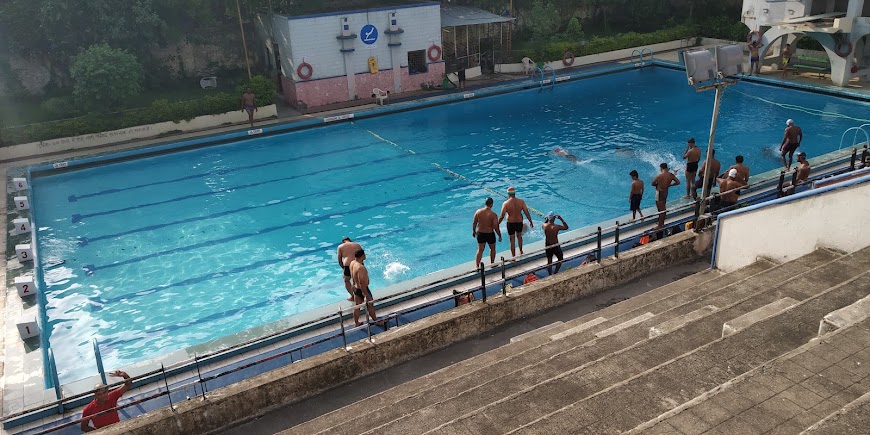
Indore blends Holkar-era heritage, prominent Hindu and Jain temples, lively traditional markets, regional cuisine, museums, parks and nearby natural attractions. Visitors can explore grand palaces, historic cenotaphs and glass temples, sample famous street food, and take short excursions to waterfalls and wildlife areas, making the city a versatile cultural and leisure destination.
Best time to visit Indore
Oct–Feb is the best time: dry, sunny and mild. Mar is fine; Apr–May are very hot, and Jun–Sep is the monsoon, green with waterfalls running but wet.
| Month | Verdict | Temperature | Rain | Crowds | What to expect |
|---|---|---|---|---|---|
| January | best | 10–26 °C | 5 mm | medium | Cool, dry and sunny; chilly mornings and nights |
| February | best | 13–29 °C | 0 mm | medium | Dry and mild; good for walking the old city and markets |
| March | good | 17–34 °C | 5 mm | medium | Days turn hot, evenings stay pleasant; plan sights for the morning |
| April | mixed | 21–39 °C | 5 mm | low | Very hot and dry; sightsee early morning or after sunset |
| May | avoid | 25–40 °C | 15 mm | low | Hottest month; afternoons are harsh, stay indoors till evening |
| June | mixed | 24–36 °C | 150 mm | low | Hot and humid; first monsoon showers arrive and disrupt plans |
| July | mixed | 23–30 °C | 310 mm | low | Wettest month; heavy showers slow sightseeing, waterfalls run |
| August | good | 22–29 °C | 260 mm | low | Green and cooler between showers; waterfalls near the city flowing |
| September | good | 21–31 °C | 170 mm | low | Rain eases but stays humid; surroundings still green |
| October | best | 18–33 °C | 30 mm | medium | Skies clear after the monsoon; festival season fills markets |
| November | best | 15–30 °C | 10 mm | medium | Pleasant and dry; cool evenings suit food walks |
| December | best | 11–28 °C | 5 mm | medium | Cool and dry; cold nights, comfortable days |
How many days to spend in Indore
Two days cover Rajwada Palace, Lal Bagh Palace and the Khajrana Ganesh temple, with food stops at Chappan Dukaan; a third adds Pitra Parvat, the zoo and Meghdoot Garden.
How to reach Indore
- By air: Indore (IDR) — 8 km, about 15–30 min by road. Flights to Delhi, Mumbai and other major cities
- By train: Indore Junction (INDB) — 2 km, about 5–15 min by road. Main broad-gauge station for long-distance trains
- By road: From Bhopal — 190 km, about 4–5.5 h. State capital, linked by a direct highway
Getting around
Auto-rickshaws are available everywhere, and app cabs (Ola, Uber) are reliable. City buses and shared vans run on main roads. Hire a car for waterfalls, Mhow and day trips.
Things to do in Indore
- Chappan Dukan — Iconic Indore food street (1.5 h · Free entry)
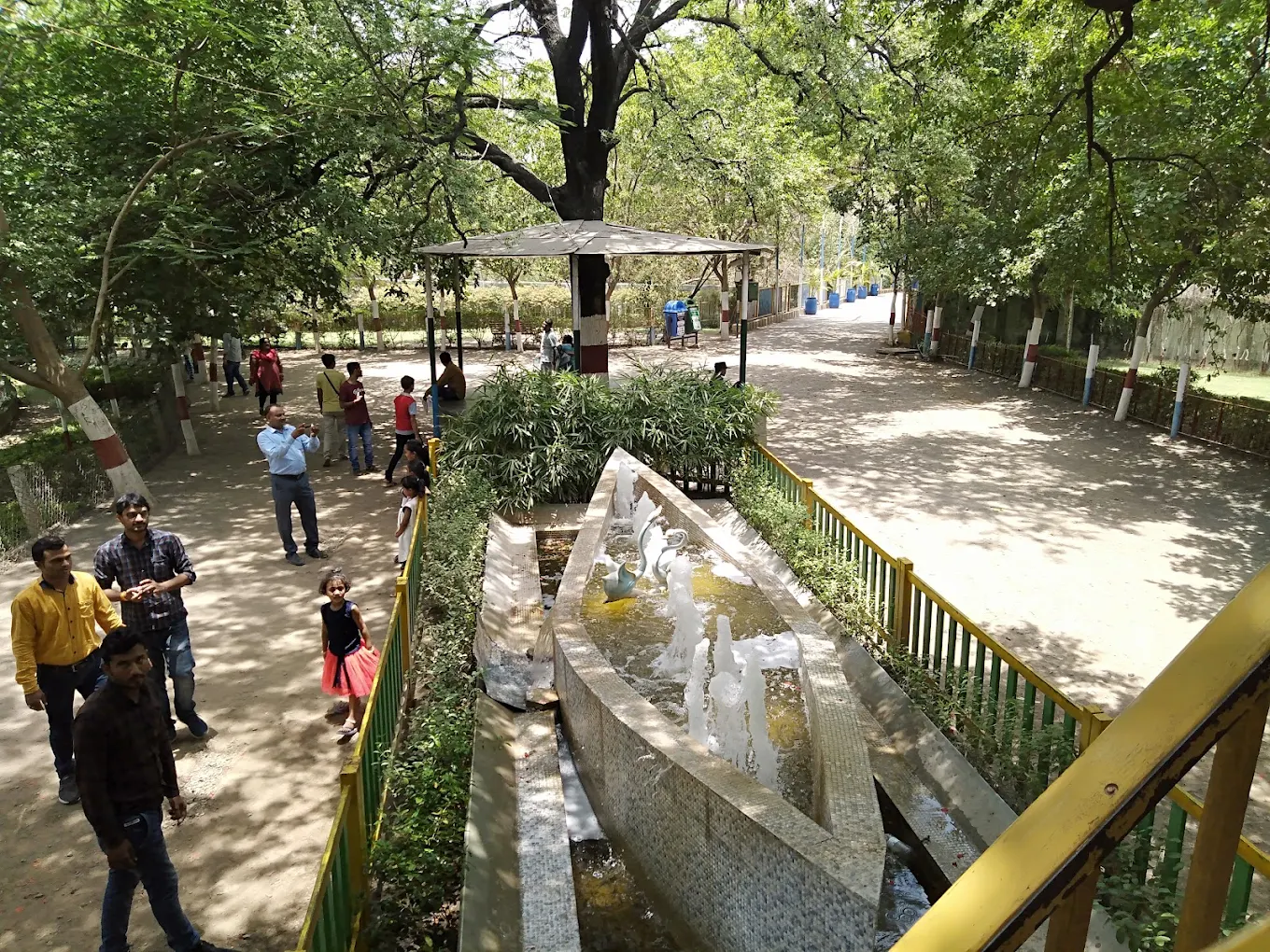
- Kamla Nehru Zoo — Indore Zoo and wildlife park (2.5 h · Paid entry)
- Pitra Parvat Indore — Giant Hanuman hill shrine (2 h · Free entry)
- Regional Park Road — Lakefront urban park
- Gandhi hall — Indo-Gothic heritage landmark
- Janapav Mandir Road — Sacred hill and trekking spot
- Lotus Valley — Scenic lotus-filled valley (2 h)
- Holkar Cricket Stadium Net — International cricket venue
- Tincha Waterfall — Seasonal scenic waterfall (2.5 h · Free entry)
- St. Ann's Church (White Church) Indore — Historic European-style church (30 min · Free entry)
- Meghdoot Garden — Large landscaped city garden (1 h · Paid entry)
- Infantry Museum — Indian Infantry history museum (2 h · Paid entry)
- Maharaja Shivajirao Holkar Chhatri — Holkar-era memorial architecture (1 h · Free entry)
- Maruti App.Opp.Ranjeet Hanuman Mandir — Famous Hanuman temple
- Holkar Dynasty Gallery (Museum), Indore — Holkar heritage museum gallery (1.5 h)
- Regional Park Indore — Lake and recreation area (1.5 h · Paid entry)
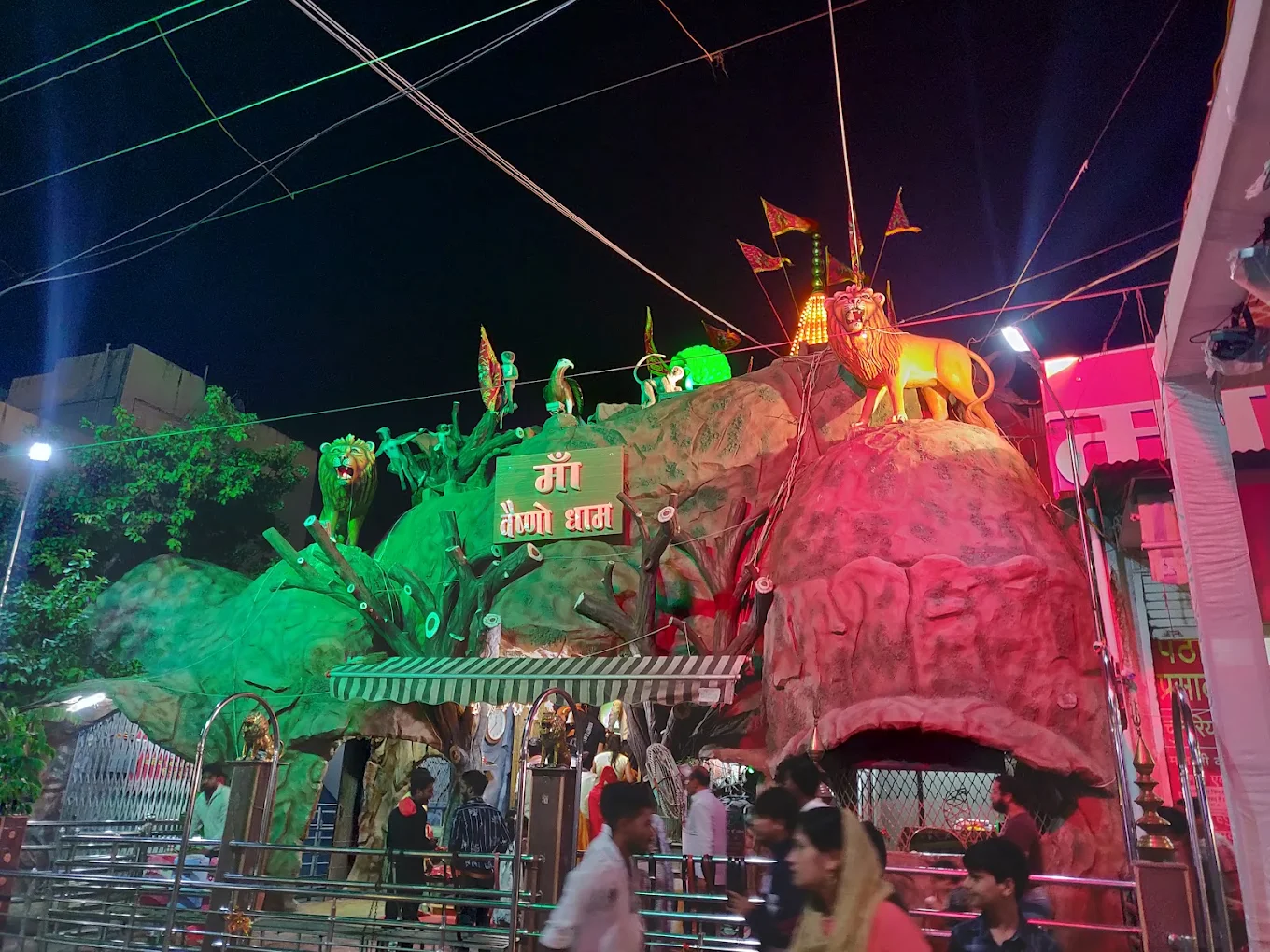
- Maa Vaishno Dham Mandir Lal Bagh Indore — Vaishno Devi-inspired shrine (1.5 h · Free entry)
- Shiv temple devguradiya — Historic Shiva cave temple (1 h · Free entry)
- Ganesh Temple — Popular Ganesh temple in Indore
- Shree Siddheshwar Hanuman Temple — Devotional Hanuman temple (45 min · Free entry)
- Siddheshwar Mahadev Temple — Traditional Shiva temple (45 min · Free entry)
- Nehru Park 2 — Central urban recreation park
- Shri Ganpati Mandir Khajrana — Khajrana Ganesh temple (1 h · Free entry)
- Ralamandal Wildlife Sanctuary — Historic wildlife sanctuary (3 h · Paid entry)
- Sarafa Bazar — Night food and jewellery market
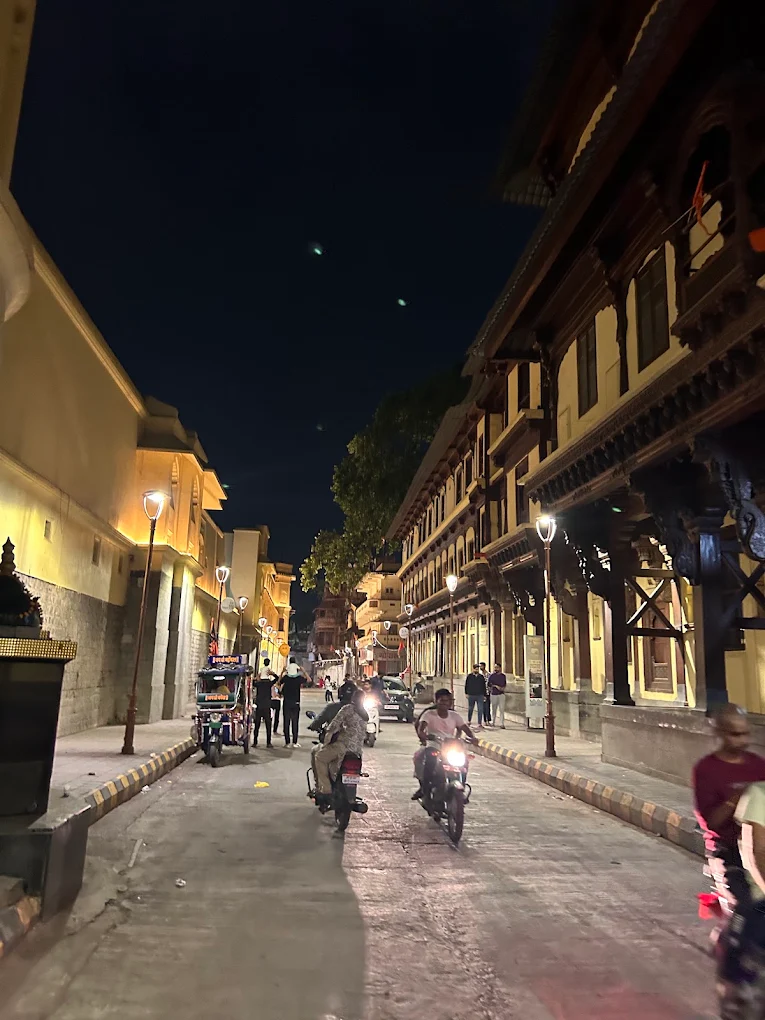
- Rajwada Palace — Iconic Holkar palace (1.5 h · ₹10)
- Lal Bagh Palace — Grand Holkar-era palace (2 h · Paid entry)
- Patalpani Waterfall — Scenic monsoon waterfall (2 h)
- Central Museum, Indore — Museum of regional heritage (1.5 h · Free entry)
- Gommatgiri Digambar Jain Mandir — Hilltop Jain pilgrimage site (1.5 h · Free entry)
- Kanch Mandir — Ornate glass Jain temple (45 min · Free entry)
- Shri Annapurna Mandir Indore — Colorful Annapurna shrine (45 min · Free entry)
- Bada Ganpati — Huge Ganesha idol
- Prachin Shri Ranjeet Hanuman Dham Indore — Historic Hanuman shrine (45 min · Free entry)
- Krishna Pura Chhatri, Indore — Holkar royal cenotaphs (1 h)
- Shree Bijasan Mata Mandir Indore — Hilltop Durga temple (1.5 h · Free entry)
Food to try in Indore
- Poha with jalebi — Indore's classic breakfast: flattened rice topped with sev, eaten with hot jalebi
- Bhutte ka kees — Grated corn cooked in milk and spices; a local street snack
- Garadu — Fried yam chunks with spices, a street-food favourite
Frequently asked questions
What is the best time to visit Indore?
Oct–Feb is the best time: dry, sunny and mild. Mar is fine; Apr–May are very hot, and Jun–Sep is the monsoon, green with waterfalls running but wet.
How many days are enough for Indore?
2–3 days. Two days cover Rajwada Palace, Lal Bagh Palace and the Khajrana Ganesh temple, with food stops at Chappan Dukaan; a third adds Pitra Parvat, the zoo and Meghdoot Garden.
How do I reach Indore?
By air: Indore (IDR) — 8 km, about 15–30 min by road. Flights to Delhi, Mumbai and other major cities. By train: Indore Junction (INDB) — 2 km, about 5–15 min by road. Main broad-gauge station for long-distance trains. By road: From Bhopal — 190 km, about 4–5.5 h. State capital, linked by a direct highway.
What are the top things to do in Indore?
Chappan Dukan, Kamla Nehru Zoo, Pitra Parvat Indore, Regional Park Road, Gandhi hall, Janapav Mandir Road.
Plan your Indore trip
Open Guide My Holiday to turn these places into a routed, day-by-day itinerary and book a cab that follows it.
Get it on Google Play · Download on the App Store
Guide checked on 2026-10-06.