Bhutan travel guide
Thimphu
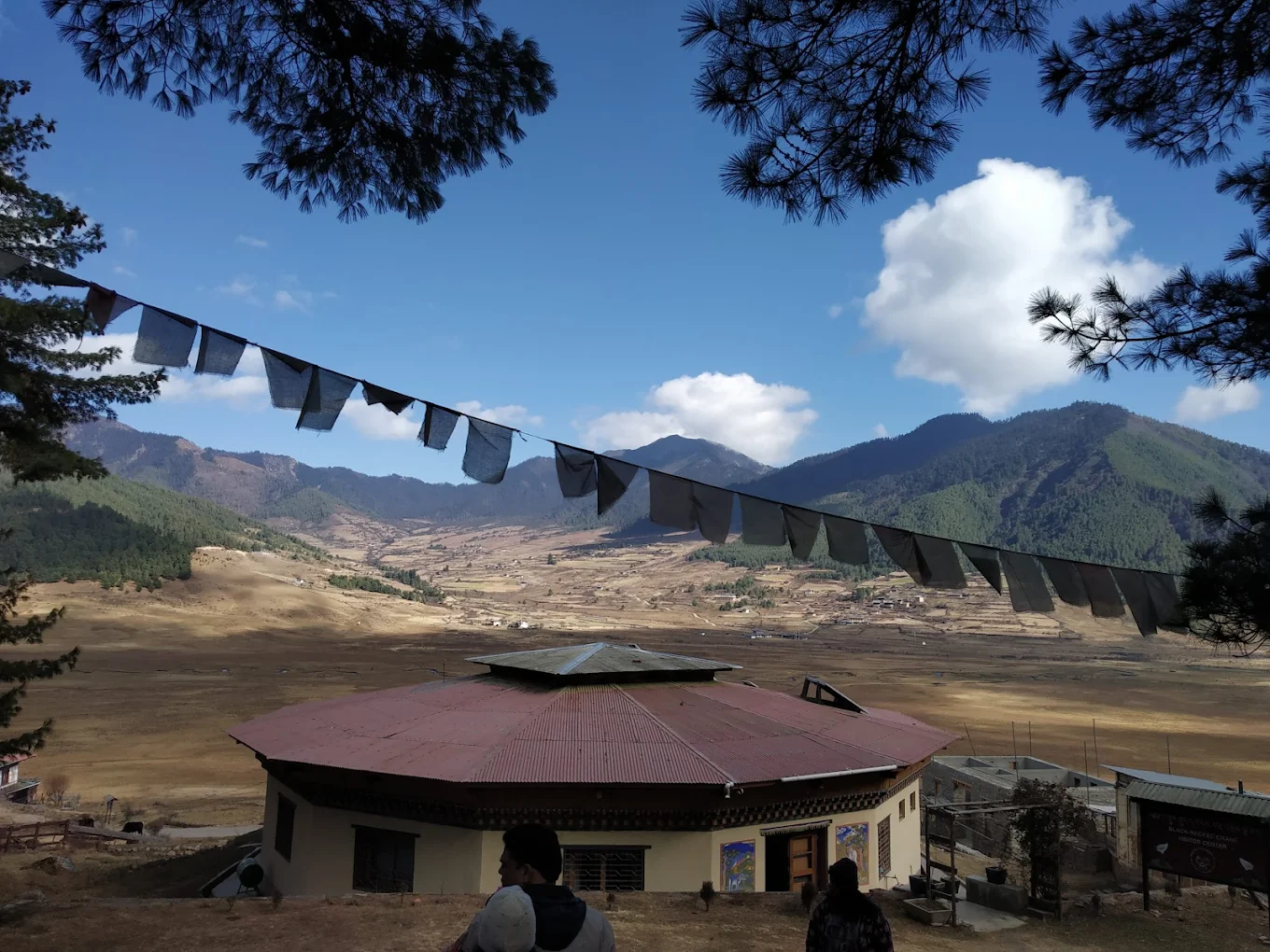
Thimphu offers a rich combination of Bhutanese culture, spirituality, scenic landscapes, traditional architecture, and authentic Himalayan experiences for visitors.
Best time to visit Bhutan
Mar–May and Sep–Nov are the best months, with the Thimphu Tshechu festival in Sep–Oct. Jul–Aug is rainy, and Dec–Jan is cold with frost at night.
| Month | Verdict | Temperature | Rain | Crowds | What to expect |
|---|---|---|---|---|---|
| January | mixed | -2–15 °C | 5 mm | low | Cold, with nights below freezing; mostly dry and sunny days |
| February | good | 0–17 °C | 10 mm | low | Cold mornings and nights; dry days and few visitors |
| March | best | 4–19 °C | 20 mm | medium | Dry and clear, warming up; cold mornings |
| April | best | 8–22 °C | 30 mm | high | Mild and pleasant, with some showers; popular month |
| May | good | 12–25 °C | 50 mm | medium | Warm days with showers building up |
| June | mixed | 15–27 °C | 100 mm | low | Monsoon begins; frequent rain on most days |
| July | mixed | 16–27 °C | 150 mm | low | Wettest month; landslides can block roads |
| August | mixed | 16–27 °C | 120 mm | low | Heavy monsoon rain; landslides can block roads |
| September | good | 15–26 °C | 70 mm | medium | Rain easing; greener countryside and Tshechu festival time |
| October | best | 9–24 °C | 45 mm | high | Dry, clear and mild; Tshechu festival in some years |
| November | best | 3–20 °C | 0 mm | medium | Dry, with crisp clear days and cold nights; no rain |
| December | mixed | -1–17 °C | 5 mm | low | Dry and sunny but cold; nights fall to freezing |
How many days to spend in Bhutan
Two days cover Buddha Dordenma, the Clock Tower area, the Folk Heritage Museum and the Royal Takin Preserve; Dochula Pass, Punakha Dzong and Paro Taktsang are further days.
How to reach Bhutan
- By air: Paro (PBH) — 46 km by road. Bhutan's only international airport
Getting around
The city centre is small enough to walk. Shared taxis and inter-district buses serve nearby places; hire a taxi for outlying sights such as Buddha Dordenma and Dochula Pass.
Things to do in Bhutan
- Paro Taktsang — Cliffside monastery (5.5 h · Nu 1000)
- Punakha Dzong — Riverside fortress (1.5 h · Nu 500)
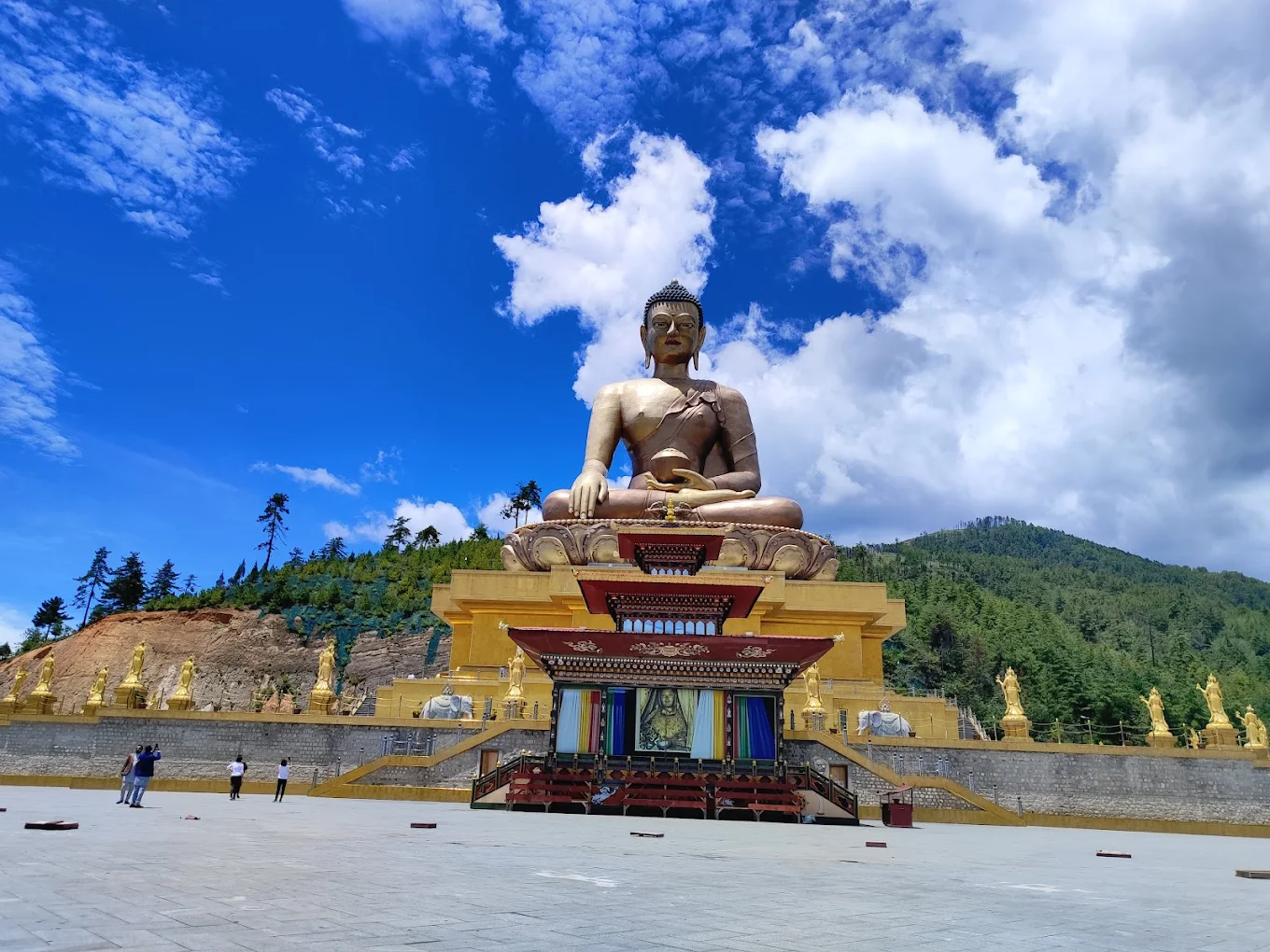
- Buddha Dordenma — Giant Buddha statue (1.5 h · Free entry)
- Dochula Pass — Scenic mountain pass (1 h · Free entry)
- Jigme Dorji National Park — Largest national park (8 h · Paid entry)
- Phobjikha Valley — Glacial valley (4 h · Free entry)
- Rinpung Dzong — Historic fortress (2 h · Nu 500)
- Paro — Historic valley town
- Tashichho Dzong — Administrative fortress
- Gangtey Monastery — Hilltop monastery (2 h · Free entry)
- Drukgyel Dzong — Historic ruins (1.5 h · Paid entry)
- Thimphu — Capital cultural hub
- Chele La — High mountain pass (1.5 h · Free entry)
- Memorial Chorten — Sacred stupa (1 h · Free entry)
- Punakha — Historic valley town
- Wangdue Phodrang — Historic dzong
- Kyichu Lhakhang — Ancient temple (1 h · Nu 500)
- Druk Wangyel Chorten — Memorial chortens (1 h · Free entry)
- Phuentsholing — Border city
- Ta Dzong — National heritage museum (2 h · Nu 500)
- Chimi Lhakhang — Fertility temple
- Trongsa — Historic central town
- Changangkha Lhakhang — Ancient temple (45 min · Free entry)
- Cheri Monastery — Historic monastery (3 h)
- Gangtey Nature Trail — Nature trail
- Paro International Airport — Airport viewpoint (1 h · Free entry)
- Punakha Suspension Bridge — Longest suspension bridge (1 h · Free entry)
- Druk Wangyal Lhakhang — Royal temple (1.5 h)
- Dumgtseg Lhakhang — Unique temple (1 h)
- Royal Textile Academy རྒྱལ་འཛིན་ཐག་རིག་སློབ་སྡེ། — Textile museum (1.5 h · Paid entry)
- Kharbandi Monastery — Hill monastery (1.5 h · Free entry)
- Ha — Remote valley
- Folk Heritage Museum Kawajangsa — Cultural museum (1.5 h · Paid entry)
- Sangaygang View Point — City viewpoint (1 h · Free entry)
- Zangtopelri Lhakhang — Buddhist temple (45 min · Free entry)
- Black-necked Crane Visitor Centre, Phobjikha — Crane conservation (1 h · Paid entry)
- Simply Bhutan — Living museum (2 h · Paid entry)
- Kila Goenpa Nunnery — Cliffside nunnery (3 h · Free entry)
- Longtey — Mountain hike (4 h · Free entry)
- Clock Tower — Town square (45 min · Free entry)
- Rinchengang — Traditional village (1.5 h · Free entry)
- Royal Takin Preserve Motithang — National animal reserve (1 h · Nu 300)
- Dzongdrakha Goenpa — Cliff monastery (2 h)
- Pele La — Mountain pass (30 min · Free entry)
- Zuri Dzong — Ancient fortress (1.5 h · Free entry)
- National Library & Archives Of Bhutan — National library (1.5 h · Paid entry)
- Karpo Lhakhang (White Temple) — White temple
- Jungshi Handmade Paper Factory — Paper workshop (1 h)
- Lhakhang Nagpo (Black Temple) — Black temple (45 min · Free entry)
- Royal Botanical Garden Road — Mountain gardens
- Khewang Lhakhang — Ancient monastery (1 h)
Food to try in Bhutan
- Ema datshi — Bhutan's national dish of chillies cooked in cheese, eaten with red rice
- Momo — Steamed dumplings with cheese, vegetable or meat filling
- Suja — Butter tea, a salty Bhutanese tea served at temples and homes
Frequently asked questions
What is the best time to visit Bhutan?
Mar–May and Sep–Nov are the best months, with the Thimphu Tshechu festival in Sep–Oct. Jul–Aug is rainy, and Dec–Jan is cold with frost at night.
How many days are enough for Bhutan?
3–5 days. Two days cover Buddha Dordenma, the Clock Tower area, the Folk Heritage Museum and the Royal Takin Preserve; Dochula Pass, Punakha Dzong and Paro Taktsang are further days.
How do I reach Bhutan?
By air: Paro (PBH) — 46 km by road. Bhutan's only international airport.
What are the top things to do in Bhutan?
Paro Taktsang, Punakha Dzong, Buddha Dordenma, Dochula Pass, Jigme Dorji National Park, Phobjikha Valley.
Plan your Bhutan trip
Open Guide My Holiday to turn these places into a routed, day-by-day itinerary and book a cab that follows it.
Get it on Google Play · Download on the App Store
Guide checked on 2026-10-06.