Zunheboto travel guide
Wildlife hill region
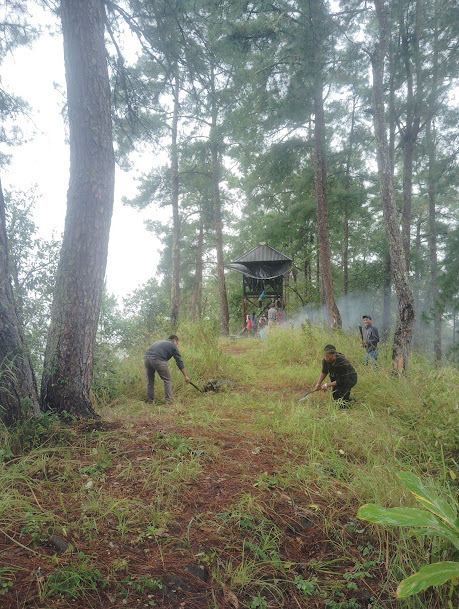
Zunheboto is a scenic district known for wildlife, hills, and Sumi tribal culture offering nature trails, bird watching, and peaceful landscapes for travelers.
Best time to visit Zunheboto
Nov–Mar is dry, cool and clear, the best time; Oct and Apr are good. May–Sep is very wet, though Jun–Sep brings migratory birds to Ghosu.
| Month | Verdict | Temperature | Rain | Crowds | What to expect |
|---|---|---|---|---|---|
| January | best | low | Cold and dry with clear skies; chilly mornings and nights | ||
| February | best | low | Cool, dry and clear; nights still cold | ||
| March | best | low | Mild and mostly dry; first spring showers | ||
| April | good | low | Warmer, with showers on many afternoons | ||
| May | mixed | low | Wet; rain on many days as the monsoon approaches | ||
| June | mixed | low | Monsoon rain most days; migratory birds start arriving at Ghosu | ||
| July | mixed | low | Very wet, landslides possible; Tuluni festival on 8 Jul | ||
| August | mixed | low | Heavy rain continues; roads slow and slippery | ||
| September | mixed | low | Rain easing; last month of the migratory bird season at Ghosu | ||
| October | good | low | Monsoon ends; green and clearing, with cool nights | ||
| November | best | low | Dry, cool and clear; Ahuna harvest festival on 14 Nov | ||
| December | best | low | Cold and dry; clear views, chilly nights |
How many days to spend in Zunheboto
A day covers the Sumi Baptist Church and Ghosu Bird Sanctuary; a second allows village visits such as Sukhai.
How to reach Zunheboto
- By air: Dimapur (DMU) — 170 km by road. Jorhat (JRH) in Assam is a similar drive
- By train: Dimapur (DMV) — 170 km by road
- By road: From Dimapur — 170 km. Buses and taxis run from Dimapur
Getting around
The town is small; hire a car or taxi for Ghosu Bird Sanctuary and outlying villages.
Things to do in Zunheboto
- Kisama Heritage Village — Festival heritage site (2.5 h · Free entry)
- Kohima War Cemetery — WWII memorial site (1 h · Free entry)
- Khonoma village — Green village (4 h · Free entry)
- Japfü Peak — Second highest peak (6 h)
- Kachari Rajbari (Ruins of a Fort) — Ancient ruins site (1 h)
- Khonoma — Eco friendly village
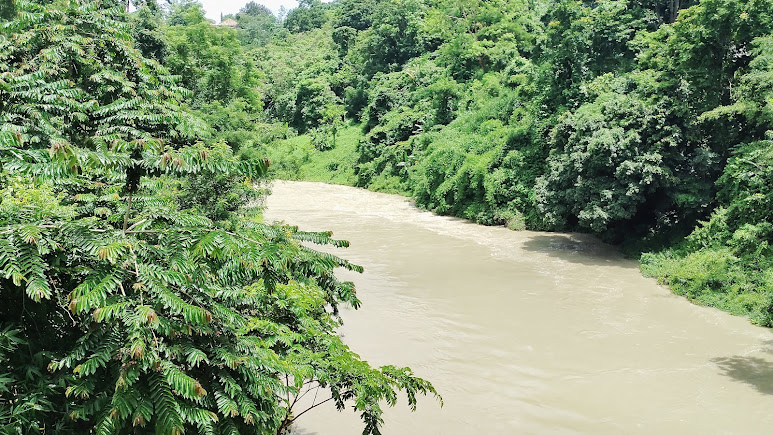
- Doyang River — Major river (3 h · Free entry)
- Saramati Peak — Highest peak Nagaland (10 h)
- Tuophema Tourist Village — Tourist village stay (2.5 h)
- Nagaland Heritage Village — Traditional village (2 h · Paid entry)
- Triple Falls Seithekema — Scenic waterfall (2 h)
- Sabangya Longkhum Road — Scenic hill village
- Khonoma Sanctuary Fall — Wildlife sanctuary (2 h)
- Glory Peak — Highest peak (2.5 h)
- Mount Tiyi College — Sacred hill
- Khrokhropfü wildlife sanctuary — Bird sanctuary (3 h)
- Mt. Pauna, Benreu village — Hill peak (3 h · Free entry)
- Puliebadze, Jotsoma Village — Wildlife sanctuary (3 h)
- Nagaland Zoological Park — Zoo and park (2.5 h · ₹20 to ₹40)
- Mopungchuket — Cultural village
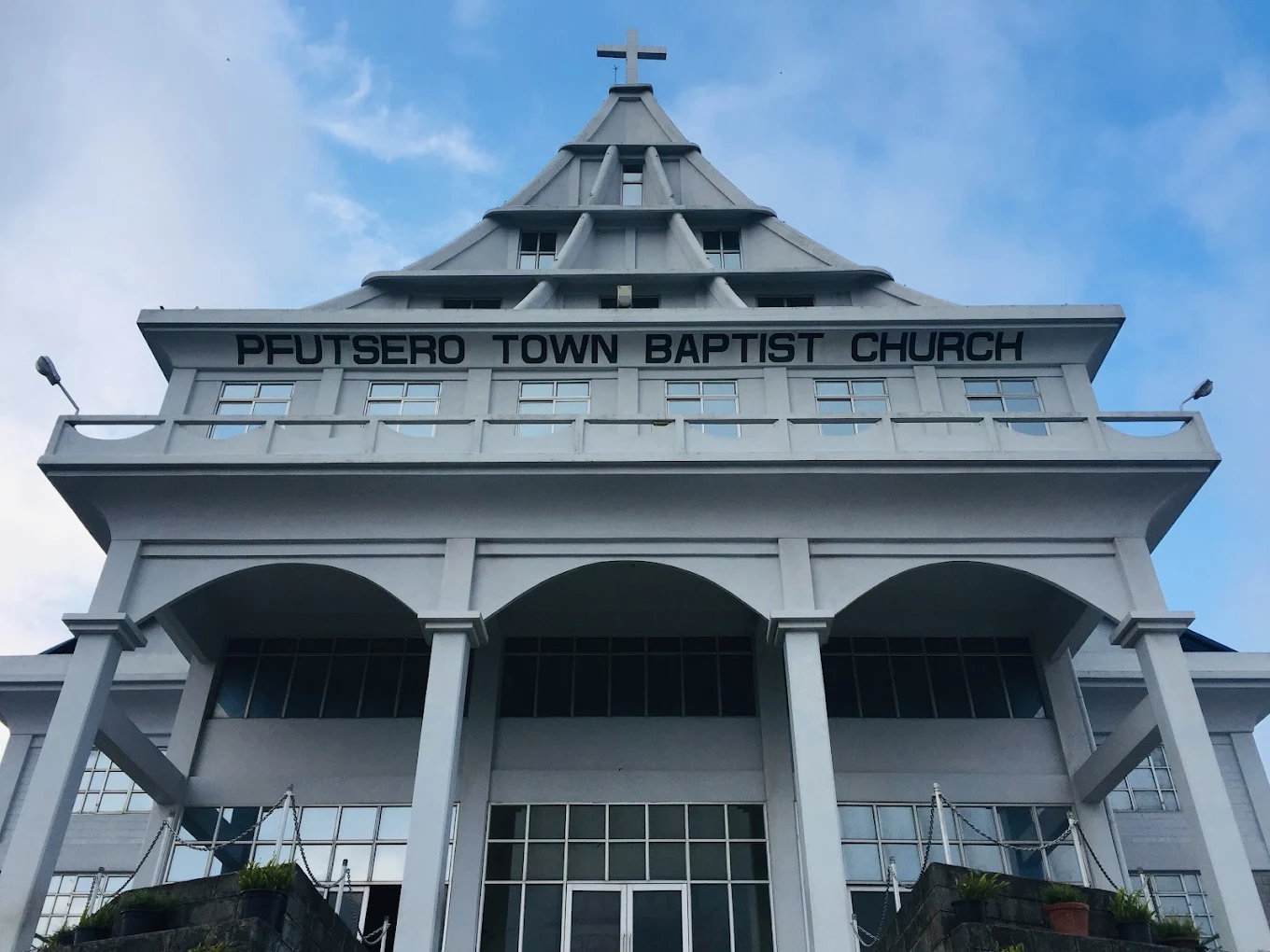
- Pfutsero — High altitude town
- Chümoukedima Viewpoint — Hill viewpoint (1 h · Free entry)
- Pfutsero town — High altitude town
- Nagaland State Museum — Cultural museum (1.5 h · ₹10, ₹50 for photography (2019 listing))
- Tuophema — Tourist village stay
- Dzükou Camp Site - Viswema — Camping valley spot (9 h)
- Ungma — Oldest Ao village
- Khezhakeno — Historic village
- Doyang Hydro Project — Hydel project
- Benreu Tourist Village — Scenic viewpoint (2 h · Free entry)
- Shilloi Lake — Scenic lake (2 h · Free entry)
- Craft Showroom Nagaland, Diezephe Craft Vill — Handicraft village (1 h · Free entry)
- Dzuleke Village — Peaceful eco village (3 h)
- NEZCC Office — Cultural centre
- Sukhai Village — Traditional village (1.5 h · Free entry)
- Zhavame village — Traditional village (1.5 h · Free entry)
- Dhansiri River — River viewpoint
- Cathedral of Kohima (Mary Help of Christians Church) — Large hill cathedral (45 min · Free entry)
- Viswema — Popular trek base
- Nagaland Science Centre — Science museum (2 h · Paid entry)
- Dovipie Inn — Village stay
- Meluri Village — Remote village
- Temple — Spiritual temple
- Jotsoma — Hilltop village
- Chui — Cultural village
- Satakha Village Ground — Hill village (1 h · Free entry)
- Kigwema — Cultural village
- Agri Expo — Expo centre
- Zakhama — Trekking base village
- Medziphema — Nearby town
Food to try in Zunheboto
- Akhuni (axone) with pork — Fermented soybean, central to Sumi Naga cooking, usually cooked with pork
Frequently asked questions
What is the best time to visit Zunheboto?
Nov–Mar is dry, cool and clear, the best time; Oct and Apr are good. May–Sep is very wet, though Jun–Sep brings migratory birds to Ghosu.
How many days are enough for Zunheboto?
1–2 days. A day covers the Sumi Baptist Church and Ghosu Bird Sanctuary; a second allows village visits such as Sukhai.
How do I reach Zunheboto?
By air: Dimapur (DMU) — 170 km by road. Jorhat (JRH) in Assam is a similar drive. By train: Dimapur (DMV) — 170 km by road. By road: From Dimapur — 170 km. Buses and taxis run from Dimapur.
What are the top things to do in Zunheboto?
Kisama Heritage Village, Kohima War Cemetery, Khonoma village, Japfü Peak, Kachari Rajbari (Ruins of a Fort), Khonoma.
Plan your Zunheboto trip
Open Guide My Holiday to turn these places into a routed, day-by-day itinerary and book a cab that follows it.
Get it on Google Play · Download on the App Store
Guide checked on 2026-10-06.