Munnar travel guide
Scenic hill station with tea plantations and waterfalls.
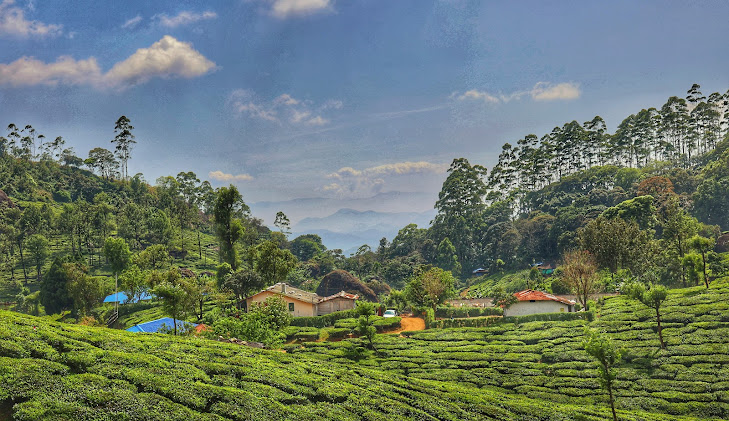
Munnar, often called the "Kashmir of South India," is a breathtaking hill station in Kerala, known for its sprawling tea plantations, mist-covered hills, and diverse flora and fauna. Nestled in the Western Ghats, Munnar offers a perfect blend of nature, adventure, and tranquility. Its scenic beauty, cool climate, and exotic wildlife make it a paradise for travelers.
Best time to visit Munnar
Go Dec–Jan for cool, clear weather; Feb–Apr and Nov are good too, though Eravikulam park usually closes Feb–Mar. Jun–Oct is wet and misty but green, with full waterfalls.
| Month | Verdict | Temperature | Rain | Crowds | What to expect |
|---|---|---|---|---|---|
| January | best | medium | Cool, dry and clear; cold nights, so pack warm layers | ||
| February | good | medium | Dry, sunny days, cool nights; Eravikulam park usually shut for tahr calving | ||
| March | good | medium | Warmer, mostly dry days; Eravikulam usually stays shut until about April | ||
| April | good | high | Warm days with afternoon thundershowers; busy with school holidays | ||
| May | mixed | high | Frequent thunderstorms before the monsoon; summer-holiday crowds | ||
| June | mixed | low | Monsoon arrives; heavy rain, thick mist and leeches on forest trails | ||
| July | mixed | low | Heavy rain most days and poor views; landslides can block hill roads | ||
| August | mixed | medium | Rain and mist continue; waterfalls in full flow; Onam holidays some years | ||
| September | mixed | medium | Monsoon weakens but showers are frequent; very green; Onam holidays some years | ||
| October | mixed | medium | Northeast monsoon brings heavy afternoon storms; green and misty | ||
| November | good | medium | Cool and green; rain eases through the month | ||
| December | best | high | Cool, mostly dry and clear; Christmas–New Year crowds |
How many days to spend in Munnar
Two days cover Eravikulam National Park and the drive past Mattupetty Dam to Top Station; a third adds waterfalls, viewpoints such as Lockhart Gap, or a trek.
How to reach Munnar
- By air: Kochi (COK) — 100 km by road
- By train: Aluva (AWY) — 110 km by road. Ernakulam Junction (ERS) is the other common railhead
- By road: From Kochi — 130 km. Via Kothamangalam and Adimali, climbing through the ghats
Getting around
Sights are spread along hill roads, so most visitors hire a taxi for the day; KSRTC and private buses, autos, and shared autos to Mattupetty and Top Station also run.
Things to do in Munnar
- Meesapulimala — Scenic peak (8 h · Paid entry)
- Athirappilly Water Falls — Majestic falls (2.5 h · Paid entry)
- Malampuzha Ropeway Station — Garden Ride (3 h · Paid entry)
- Gavi Eco Tourism — Eco paradise (5 h · Paid entry)
- Nelliampathi — Hill Retreat (5 h · Free entry)
- Kolukkumalai Tea Estate — Tea estate (5 h · ₹75)
- Idukki Arch Dam — Majestic dam (1.5 h · Paid entry)
- Vazhachal Waterfalls — Scenic falls (2 h · Paid entry)
- Mullaperiyar Dam — Historic dam (1 h · Free entry)
- Mattupetty Dam — A serene reservoir with boating, surrounded by lush hills. (1.5 h · ₹10)
- ECHO point Munnar — Echo view (45 min · Free entry)
- Thommankuthu Waterfalls — Cascading fall (3 h · Paid entry)
- Kerala Folklore Museum — Cultural hub (1.5 h · INR 100)
- Pine Valley Vagamon — Pine retreat (1.5 h)
- Chulanur Peafowl Sanctuary — Peacock Haven (2 h · Paid entry)
- Carmelagiri Elephant Park — Elephant ride (1.5 h · Paid entry)
- Muziris Heritage Tour Club — Ancient port (3 h · Paid entry)
- Malayattoor — Sacred hill (2 h · Free entry)
- Pothundi Dam — Eco Retreat
- suryanelli Anayirankal camp — Serene dam (2 h)
- Nayamakad Waterfall — Misty fall (1.5 h · Free entry)
- Indo-Portuguese Museum — Colonial relics (1.5 h · Paid entry)
- Amalagiri View Point — Eagle rock (1 h · Free entry)
- Kadathanadan Kalari Centre — Cultural arena (1.5 h · Paid entry)
- Lakkam Waterfalls — Soothing fall (1.5 h · ₹20)
- Kumbalanghi village tours (Kochi tours) — Eco village (3 h · Paid entry)
- Kalady — Birthplace of Sankara (1.5 h · Free entry)
- Kuttikkanam — Cool getaway (2.5 h · Free entry)
- Pandikuzhi Road — Nature spot
- St. Andrew's Roman Catholic Basilica Church, Arthunkal — Pilgrim site (1 h · Free entry)
- Kodungallur Sree Kurumba Bagavathi Temple — Powerful shrine (1 h · Free entry)
- Mangalam Dam — Nature Dam (1.5 h)
- Sri Subrahmanya Swamy Temple — Sacred site (1 h · Free entry)
- St. Mary's Forane Church (Valiyapally) Pulinkunnu — Historic church (45 min · Free entry)
- Kadamakkudy — Island charm (3 h · Free entry)
- Panchalimedu — Sacred hill (1.5 h · Free entry)
- Echo Point — Echo valley (45 min · Free entry)
- District Heritage Museum, Palakkad — Rail History (1 h)
- Tea Museum — Tea history (1.5 h · ₹75)
- Peechi Dam — Serene dam (2.5 h · Paid entry)
- Walayar dam — Calm Reservoir (1.5 h)
- Parayakad Nalukulangara Sri Maha Devi Temple — Popular temple (1 h · Free entry)
- Chammanadu Bhagavathy Temple — Ancient temple (45 min · Free entry)
- pandavan para — Mythic caves (1.5 h · Free entry)
- Green Park Spices plantation — Spice tour (1.5 h · Paid entry)
- Anamudi Peak — The highest peak in South India, ideal for trekking and wildlife spotting. (10 h · Paid entry)
- Top station — A viewpoint offering stunning vistas of the Western Ghats. (1.5 h · Free entry)
- Kundale Lake — A picturesque lake with pedal boating and cherry blossoms. (1.5 h · Free entry)
- Kundala Dam — A picturesque lake with pedal boating and cherry blossoms. (1.5 h · ₹10)
- Pothamedu View Point — Offers breathtaking panoramic views of Munnar’s valleys. (1 h · Free entry)
- Lockhart Gap View — A misty mountain pass offering scenic trekking trails. (45 min · Free entry)
- Chimmini Wildlife Sanctuary — Wild haven (3.5 h · Paid entry)
- Mangalam Dam Reservoir — Serene Spot (1.5 h)
- Marottichal Watefalls — Hidden falls (2 h)
- Eravikulam National Park — Home to endangered Nilgiri Tahr and lush rolling grasslands. (3.5 h · ₹200)
- Tea Gardens — Expansive tea plantations offering scenic views and fresh tea experiences. (2 h · Free entry)
- Attukad Waterfalls — A cascading waterfall amidst lush greenery, perfect for trekking. (2 h)
- Chinnakanal Waterfalls — A beautiful waterfall surrounded by tea plantations. (1 h · Free entry)
Food to try in Munnar
- Munnar tea — High-grown tea from the estates around town, processed locally; buy it fresh in the bazaar
- Chilli bajji — Batter-fried green chillies, the local snack with hot tea on cool evenings
Frequently asked questions
What is the best time to visit Munnar?
Go Dec–Jan for cool, clear weather; Feb–Apr and Nov are good too, though Eravikulam park usually closes Feb–Mar. Jun–Oct is wet and misty but green, with full waterfalls.
How many days are enough for Munnar?
2–3 days. Two days cover Eravikulam National Park and the drive past Mattupetty Dam to Top Station; a third adds waterfalls, viewpoints such as Lockhart Gap, or a trek.
How do I reach Munnar?
By air: Kochi (COK) — 100 km by road. By train: Aluva (AWY) — 110 km by road. Ernakulam Junction (ERS) is the other common railhead. By road: From Kochi — 130 km. Via Kothamangalam and Adimali, climbing through the ghats.
What are the top things to do in Munnar?
Meesapulimala, Athirappilly Water Falls, Malampuzha Ropeway Station, Gavi Eco Tourism, Nelliampathi, Kolukkumalai Tea Estate.
Plan your Munnar trip
Open Guide My Holiday to turn these places into a routed, day-by-day itinerary and book a cab that follows it.
Get it on Google Play · Download on the App Store
Guide checked on 2026-10-06.