Hazaribagh travel guide
Wildlife, History, Nature's Beauty
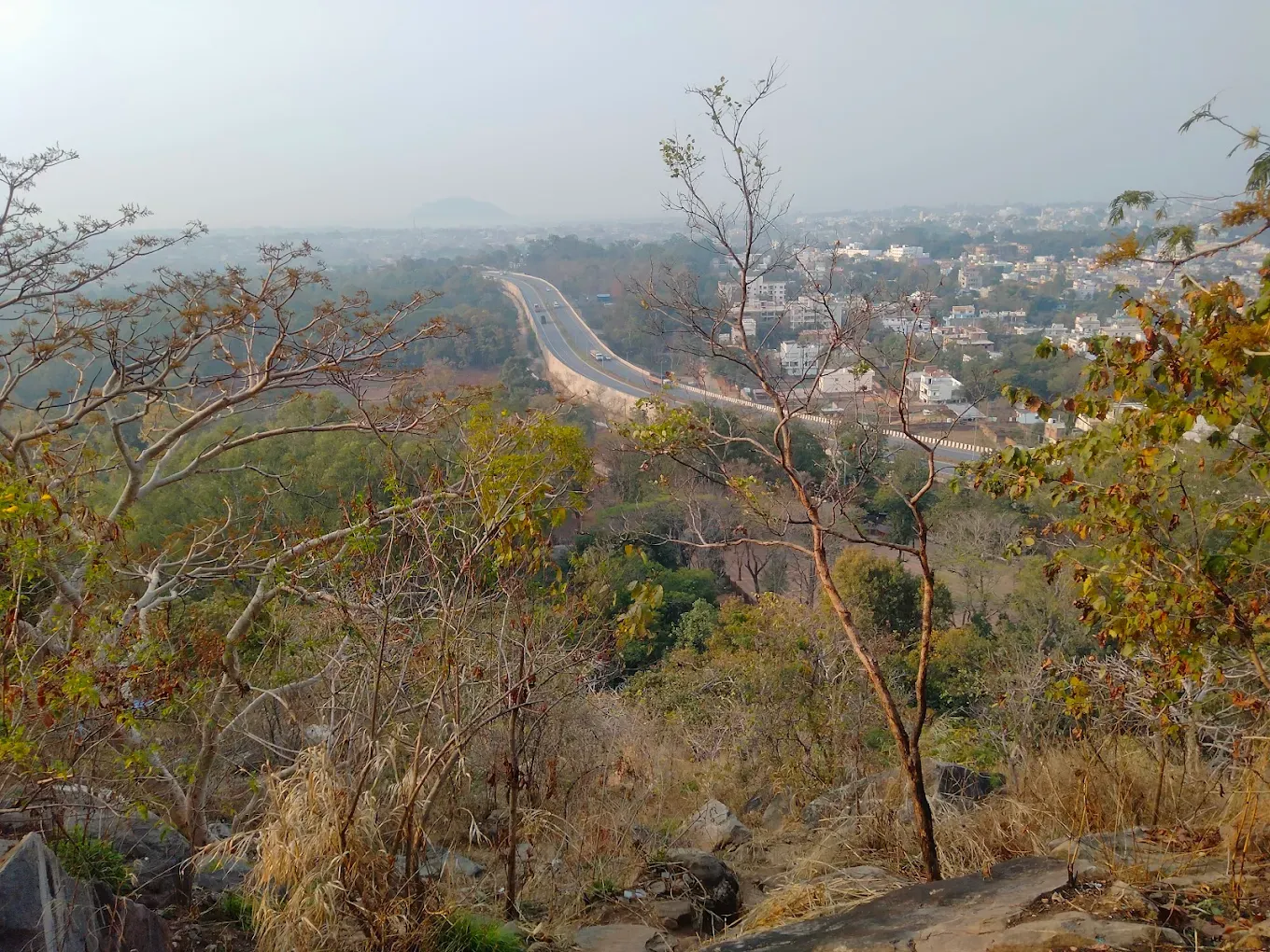
Hazaribagh, Jharkhand: Explore the enchanting wildlife sanctuaries, including the iconic Hazaribagh National Park, home to diverse flora and fauna. Discover historical sites and immerse yourself in the rich cultural heritage of this captivating destination. A perfect blend of nature's beauty and historical significance!
Best time to visit Hazaribagh
Go Oct–Apr for dry, cool weather. May–Jun gets hot, and Jul–Aug brings very heavy rain.
| Month | Verdict | Temperature | Rain | Crowds | What to expect |
|---|---|---|---|---|---|
| January | best | 8–22 °C | 20 mm | medium | Cold nights, mild sunny days |
| February | best | 12–25 °C | 20 mm | low | Dry and pleasant; clear skies |
| March | best | 16–30 °C | 15 mm | low | Warm days, cool evenings |
| April | good | 21–35 °C | 20 mm | low | Hot afternoons; pleasant evenings |
| May | mixed | 24–37 °C | 45 mm | low | Hot and dry; pre-monsoon storms |
| June | mixed | 24–34 °C | 240 mm | low | Monsoon arrives; heavy showers |
| July | mixed | 23–29 °C | 390 mm | low | Very wet; heavy rain most days |
| August | mixed | 23–29 °C | 340 mm | low | Very wet; heavy rain interrupts plans |
| September | good | 22–29 °C | 260 mm | low | Showers ease; cool and green |
| October | best | 18–28 °C | 60 mm | low | Rain over; clear skies and cool |
| November | best | 13–25 °C | 10 mm | low | Dry, clear and cool |
| December | best | 9–22 °C | 10 mm | medium | Dry and cold at night |
How many days to spend in Hazaribagh
A day covers Hazaribagh Lake, the Sanskriti Museum and Art Gallery and Canary Hill; a second goes to Hazaribagh Wildlife Sanctuary.
How to reach Hazaribagh
- By air: Ranchi (IXR) — 98 km, about 1.5–2.5 h by road
- By road: From Ranchi — 96 km, about 1.5–2 h
Getting around
Auto, cycle and e-rickshaws run in town, and e-rickshaws are the cheapest. Hire a car for the wildlife sanctuary, which lies outside town.
Things to do in Hazaribagh
- Mahabodhi Temple — UNESCO site (1.5 h · Free entry)
- Hundru falls — Scenic Falls (2.5 h · ₹20-30)
- Patratu Valley — Serene Drive (2.5 h · Free entry)
- Shri Sammed Shikharji — Sacred hill (9 h · Free entry)
- Bodhgaya Bodhi Tree — Sacred tree (1 h · Free entry)
- Dassam Falls — Majestic Fall (1.5 h · Free entry)
- The Great Buddha Statue — Stone statue (1 h · Free entry)
- Jonha Falls — Sacred Falls (2 h · ~₹20-30)
- Hazaribagh Wildlife Sanctuary — Tiger reserve (3.5 h · ₹50)
- Shri Vishnupad Temple, Gaya Ji — Footprint shrine (1 h · Free entry)
- PAHARI MANDIR RANCHI — Sacred Hill (1.5 h · Free entry)
- Pind Daan Gaya ji — Ritual ghats (4 h · Free entry)
- Rock Garden — Art & Lake (1.5 h · ₹20)
- Maa Chhinnamastika Mandir — Goddess shrine (1.5 h · Free entry)
- Jagannath Mandir — Jagannath Mandir (1.5 h · Free entry)
- Wat Thai Buddhasawika — Thai shrine (45 min · Free entry)
- Tagore Hill — Historic Hill (1.5 h · Free entry)
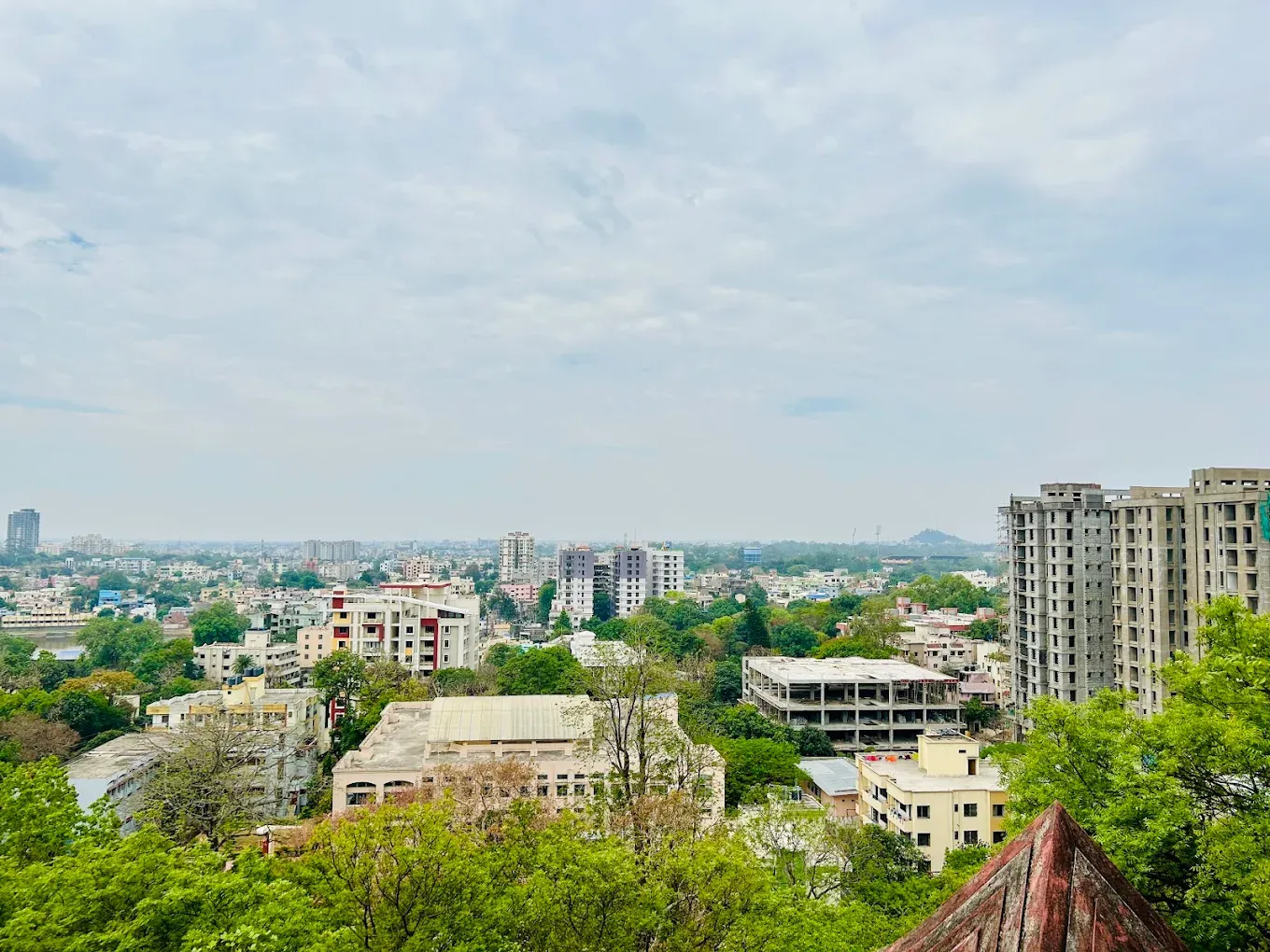
- Canary Hill Hazaribagh — Hilltop view (1.5 h)
- AkashGanga — Scenic falls (1 h · Free entry)
- The Royal Bhutanese Monastery — Bhutanese monastery (45 min · Free entry)
- Parasnath Hill — Pilgrimage (9 h · Free entry)
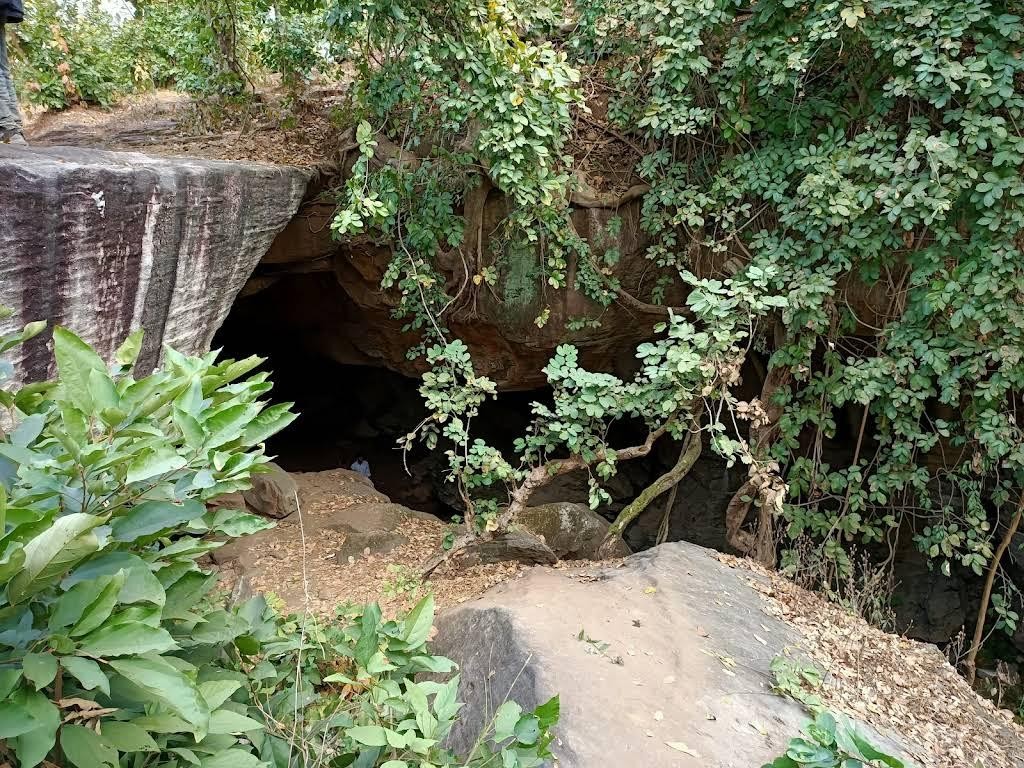
- Pragbodhi Cave — Cave shrine (2.5 h · Free entry)
- Tribal Research Institute and Museum — Tribal Life (1.5 h · ₹10)
- Topchanchi Lake — Hill Lake (1.5 h · Free entry)
- Buddhasikkhalay Monastery — Tibetan style (1 h · Free entry)
- Japanese Temple, Bodhgaya — Peaceful shrine (45 min · Free entry)
- Bhadrakali Mandir — Historic site (1.5 h · Free entry)
- Madhuban Digamber Jain Temple — Jain site (1 h · Free entry)
- Indosan Nipponji — Japanese-Indian (45 min · Free entry)
- International Meditation Center — Spiritual retreat (1 h · Free entry)
- Ranchi Lake — Central Lake (1.5 h · Free entry)
- The Sujata Stupa — Historic mound (30 min · Free entry)
- Hazaribagh Jheel — Urban lake (1.5 h · Free entry)
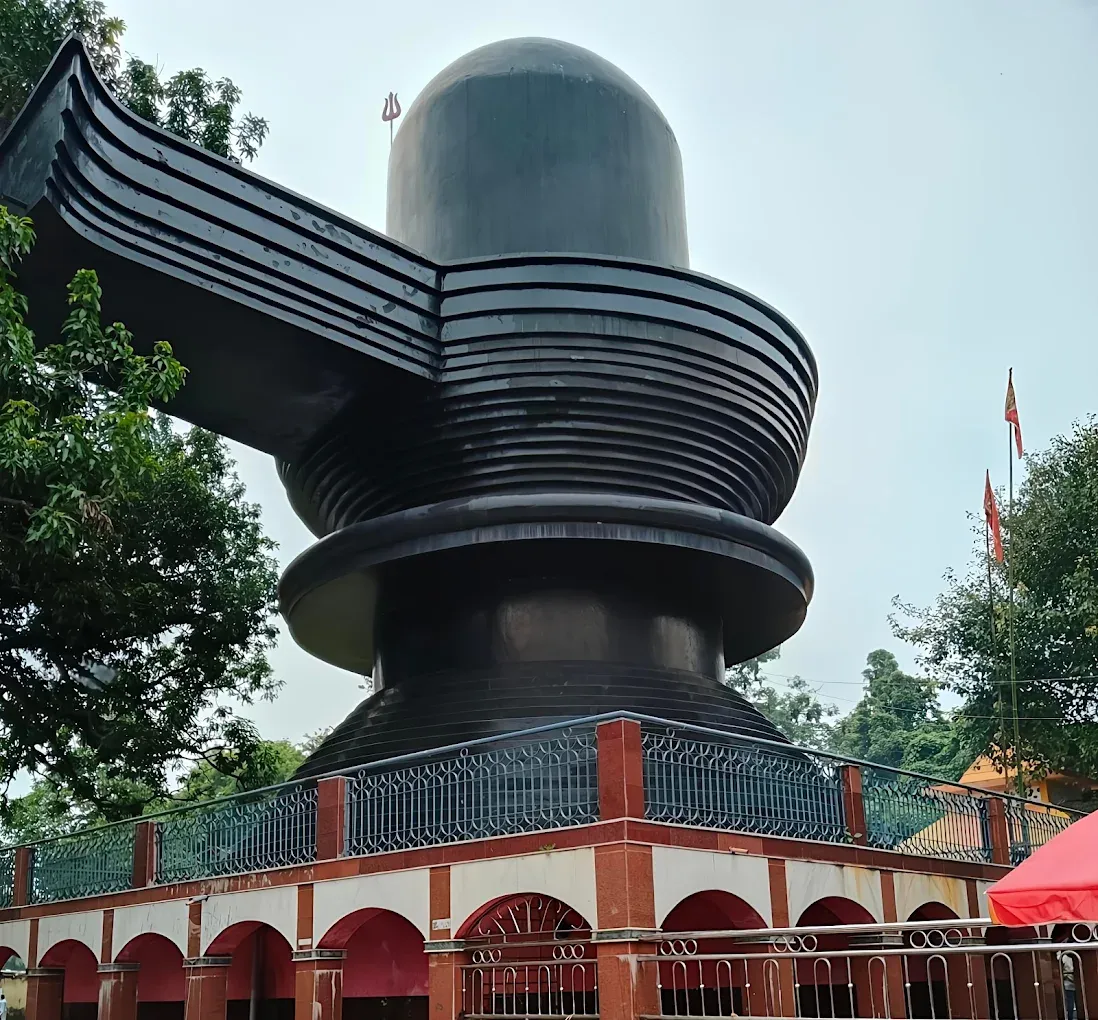
- Harihar Dham — Shiv temple (1 h · Free entry)
- Sanskriti Museum and Art Gallery — Local culture (1 h)
- Langta Baba Mandir — Sufi shrine (45 min · Free entry)
- Konar Reservior — Large dam (1.5 h · Free entry)
- Isko — Rock history (1 h · Free entry)
- URBAN HAAT RANCHI — Tribal market (1.5 h)
- Silwar hill — Quiet hill (2 h · Free entry)
- JhunJhuniya Waterfall — River origin (1.5 h · Free entry)
- Sri Digambar Jain Museum — Jain culture (45 min · Free entry)
Food to try in Hazaribagh
- Dhuska — Fried rice and lentil snack; stalls at the end of Guru Teghbahadur Road
- Kachri sabji with jalebi — Local breakfast
- Matka kulfi — Summer treat at Jhanda Chowk
Frequently asked questions
What is the best time to visit Hazaribagh?
Go Oct–Apr for dry, cool weather. May–Jun gets hot, and Jul–Aug brings very heavy rain.
How many days are enough for Hazaribagh?
1–2 days. A day covers Hazaribagh Lake, the Sanskriti Museum and Art Gallery and Canary Hill; a second goes to Hazaribagh Wildlife Sanctuary.
How do I reach Hazaribagh?
By air: Ranchi (IXR) — 98 km, about 1.5–2.5 h by road. By road: From Ranchi — 96 km, about 1.5–2 h.
What are the top things to do in Hazaribagh?
Mahabodhi Temple, Hundru falls, Patratu Valley, Shri Sammed Shikharji, Bodhgaya Bodhi Tree, Dassam Falls.
Plan your Hazaribagh trip
Open Guide My Holiday to turn these places into a routed, day-by-day itinerary and book a cab that follows it.
Get it on Google Play · Download on the App Store
Guide checked on 2026-10-06.