Kolkata travel guide
Kolkata, the "City of Joy," is India's cultural capital, famed for its rich history.
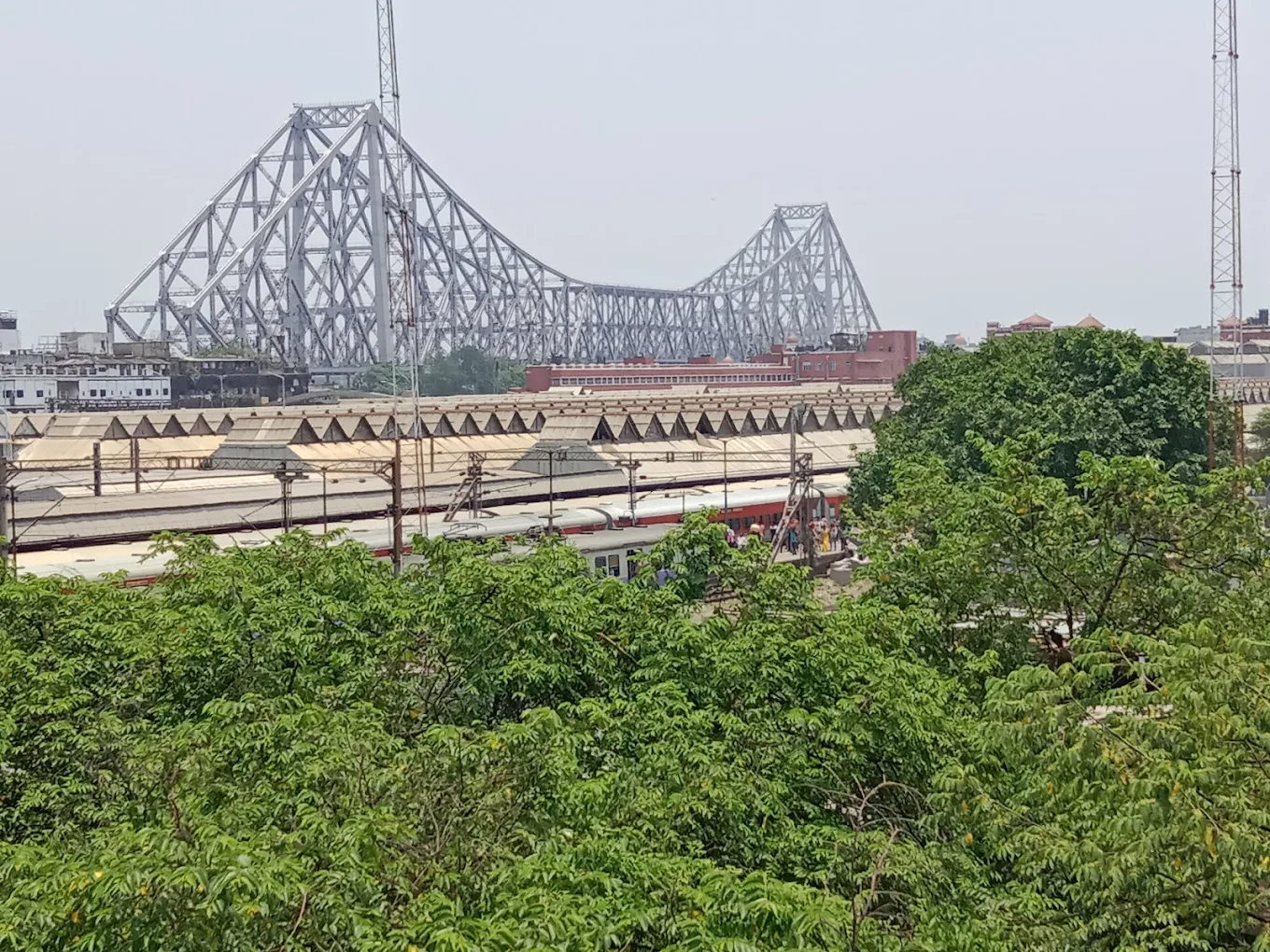
Kolkata, formerly Calcutta, is West Bengal's capital and a major eastern Indian metropolis. Known as the "City of Joy," it boasts a vibrant cultural heritage, evident in its colonial architecture, intellectual pursuits, and artistic scene. From historical landmarks like the Victoria Memorial and Howrah Bridge to lively festivals such as Durga Puja, Kolkata offers a unique blend of tradition and modernity, deeply rooted in its past as the British Indian capital.
Best time to visit Kolkata
Nov–Feb is the best time, cool and dry. Oct brings Durga Puja crowds; Mar–May is hot and humid and Jun–Sep is monsoon.
| Month | Verdict | Temperature | Rain | Crowds | What to expect |
|---|---|---|---|---|---|
| January | best | 14–26 °C | 15 mm | medium | Cool, dry and sunny; pleasant for walking tours |
| February | best | 18–29 °C | 25 mm | medium | Dry and pleasant; evenings still cool |
| March | good | 23–34 °C | 35 mm | low | Hot afternoons and rising humidity; start early |
| April | mixed | 26–35 °C | 60 mm | low | Hot and humid; evening thunderstorms are common |
| May | mixed | 27–36 °C | 120 mm | low | Very humid; afternoons are best spent indoors |
| June | avoid | 27–34 °C | 280 mm | low | Monsoon arrives; heavy showers and waterlogged streets |
| July | mixed | 27–32 °C | 370 mm | low | Frequent heavy showers; waterlogging in some areas |
| August | mixed | 27–32 °C | 370 mm | low | Humid with long wet spells; museums and cafes work well |
| September | mixed | 26–33 °C | 320 mm | medium | Humid with showers; Durga Puja can start late in the month |
| October | good | 24–32 °C | 180 mm | high | Durga Puja crowds and pandals; showers possible; book early |
| November | best | 20–30 °C | 35 mm | medium | Dry, mild and clear; pleasant for walking |
| December | best | 16–27 °C | 5 mm | high | Cool and dry; Christmas lights on Park Street; busy |
How many days to spend in Kolkata
Two days cover Victoria Memorial, the Indian Museum, Howrah Bridge and Park Street. Add Dakshineswar Kali Temple, Kumartuli and Eco Park for four days.
How to reach Kolkata
- By air: Kolkata (CCU) — 16 km, about 30–45 min by road. Netaji Subhas Chandra Bose; metro, AC buses and cabs run to town
- By train: Howrah (HWH) — 4 km, about 10–20 min by road. Largest station; Sealdah (SDAH) is the other main terminal
Getting around
The metro is quickest across the city, and the heritage trams are slow but scenic. Buses, taxis and app cabs fill the gaps; avoid rush hour near Howrah Bridge.
Things to do in Kolkata
- Howrah Bridge — Iconic, busy cantilever steel bridge over the Hooghly River. (30 min · Free entry)
- Victoria Memorial — Grand marble monument and museum from the British Raj era. (2 h · ₹20)
- Dakshineswar Kali Temple — Famed riverside Hindu temple dedicated to the Goddess Kali. (1.5 h · Free entry)
- Indian Museum — India's oldest and largest museum with diverse historical artifacts. (3 h · ₹75)
- Park Street — Kolkata's premier hub for dining, nightlife, and entertainment. (3 h · Free entry)
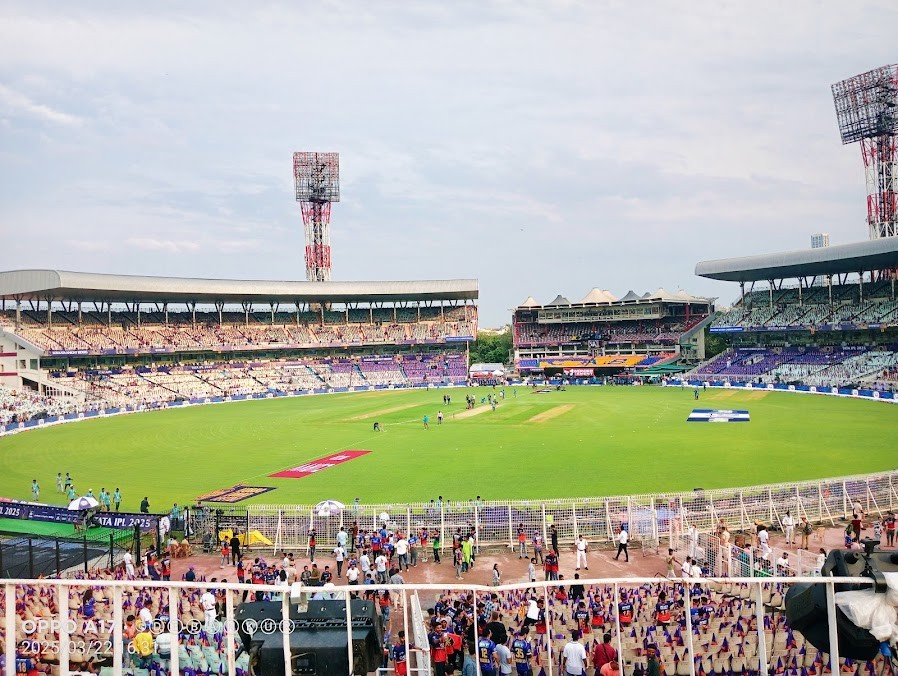
- Eden Gardens — Iconic and historic cricket stadium with a passionate atmosphere. (1.5 h · Paid entry)
- Nandalal Bose Lane — Murals by iconic artist Nandalal Bose.
- Eco Park — Nature park (4 h · ₹30)
- South City Mall — A major modern shopping mall for retail and entertainment. (3 h · Free entry)
- Tea Garden — Immersive tea experience
- Millennium Park — Riverside public park with gardens, rides, and city views. (1.5 h · ₹10)
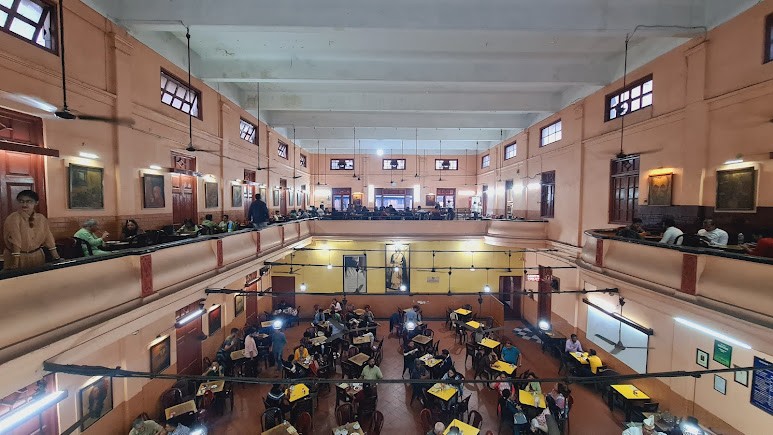
- Indian Coffee House — Historic, intellectual cafe famous for its 'adda' culture. (1 h · Free entry)
- Pancharatna Temple — Five-towered terracotta temple (45 min · Paid entry)
- Kolkata Metro (Under Ganga Section) — India's first underground railway, a fast transit lifeline. (1 h · Paid entry)
- Princep Ghat — Scenic riverfront spot with a colonial-era Palladian monument. (1.5 h · Free entry)
- Sajnekhali Wildlife Sanctuary — Birdwatcher's paradise with rare and colorful bird species. (3 h · ₹60)
- Sagar Island — Popular pilgrimage site with cultural and spiritual significance. (5 h · Free entry)
- ISKCON Mayapur — Global ISKCON headquarters (3 h · Free entry)
- Belur Math Office — Serene spiritual headquarters with unique, multi-faith architecture. (2 h · Free entry)
- Gariahat Tram — Nostalgic, slow-paced heritage transport through bustling city streets. (1 h · Paid entry)
- Dobanki Watch Tower — Walk above the forest canopy for stunning wildlife views. (2 h · Paid entry)
- Bhagabatpur Crocodile Project — Conservation project focused on crocodile breeding and protection. (1.5 h · Paid entry)
- Bichitra — Local crafts and handmade art displays.
- Hazarduari palace — Grand palace (2 h · Paid entry)
- Mangrove Interpretation Centre — Cruising through dense mangroves in the heart of Sundarbans. (1.5 h · Paid entry)
- BENGAL TIGER CLUB — Elusive Royal Bengal Tiger sightings in the mangrove forest.
- River Side Road — Scenic river cruises showcasing the Sundarbans' natural wonders.
- BIRTH PLACE OF SRI CHAITANYA(NEMAI)MAHAPRABHU — The sacred birthplace of Sri Chaitanya Mahaprabhu, a spiritual icon. (1 h · Free entry)
- Sri Chaitanya Saraswat Math (Jal Mandir) — A prominent Vaishnava monastery for followers of Sri Chaitanya. (45 min · Free entry)
- Radharani Temple — Temple dedicated to Radha Rani with devotional atmosphere. (45 min · Free entry)
- Sri Devananda Gaudiya Math — Renowned Vaishnava monastery promoting Gaudiya teachings. (1 h · Free entry)
- JAHNAVI KUNJA - Eco Yoga Ashram — Eco-spiritual yoga and meditation center on the riverbanks.
- Kumartuli — Traditional potters' quarter famous for crafting clay festival idols. (1.5 h · Free entry)
- NETIDHOPANI BEAT (watch tower) — Explore ancient ruins hidden within the Sundarbans' lush forest. (1 h · Paid entry)
- Crocodile Pond — Dedicated crocodile breeding and conservation center in the Sundarbans. (1 h)
- Sudhanyakhali Watch Tower — Best place to view tigers and other wild animals. (1.5 h · Paid entry)
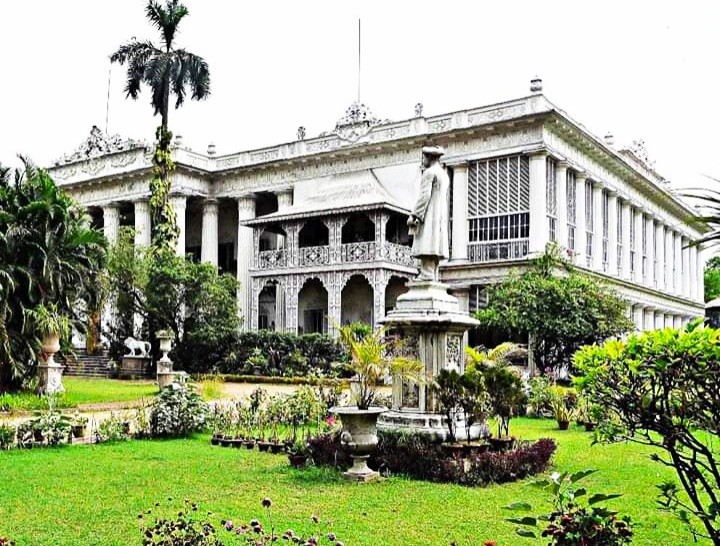
- Marble Palace — Opulent 19th-century mansion with vast European art collection. (1.5 h · Free entry)
Food to try in Kolkata
- Rosogolla — Soft chhena balls in light syrup; Kolkata's best-known sweet
- Kathi roll — Kebab wrapped in paratha; Nizam's near New Market is credited with inventing it
- Kolkata biryani — Mughlai-style rice with potato; Park Circus has many Mughlai eateries
Frequently asked questions
What is the best time to visit Kolkata?
Nov–Feb is the best time, cool and dry. Oct brings Durga Puja crowds; Mar–May is hot and humid and Jun–Sep is monsoon.
How many days are enough for Kolkata?
2–4 days. Two days cover Victoria Memorial, the Indian Museum, Howrah Bridge and Park Street. Add Dakshineswar Kali Temple, Kumartuli and Eco Park for four days.
How do I reach Kolkata?
By air: Kolkata (CCU) — 16 km, about 30–45 min by road. Netaji Subhas Chandra Bose; metro, AC buses and cabs run to town. By train: Howrah (HWH) — 4 km, about 10–20 min by road. Largest station; Sealdah (SDAH) is the other main terminal.
What are the top things to do in Kolkata?
Howrah Bridge, Victoria Memorial, Dakshineswar Kali Temple, Indian Museum, Park Street, Eden Gardens.
Plan your Kolkata trip
Open Guide My Holiday to turn these places into a routed, day-by-day itinerary and book a cab that follows it.
Get it on Google Play · Download on the App Store
Guide checked on 2026-10-06.